
POTS and Mental Health: What’s the Connection?
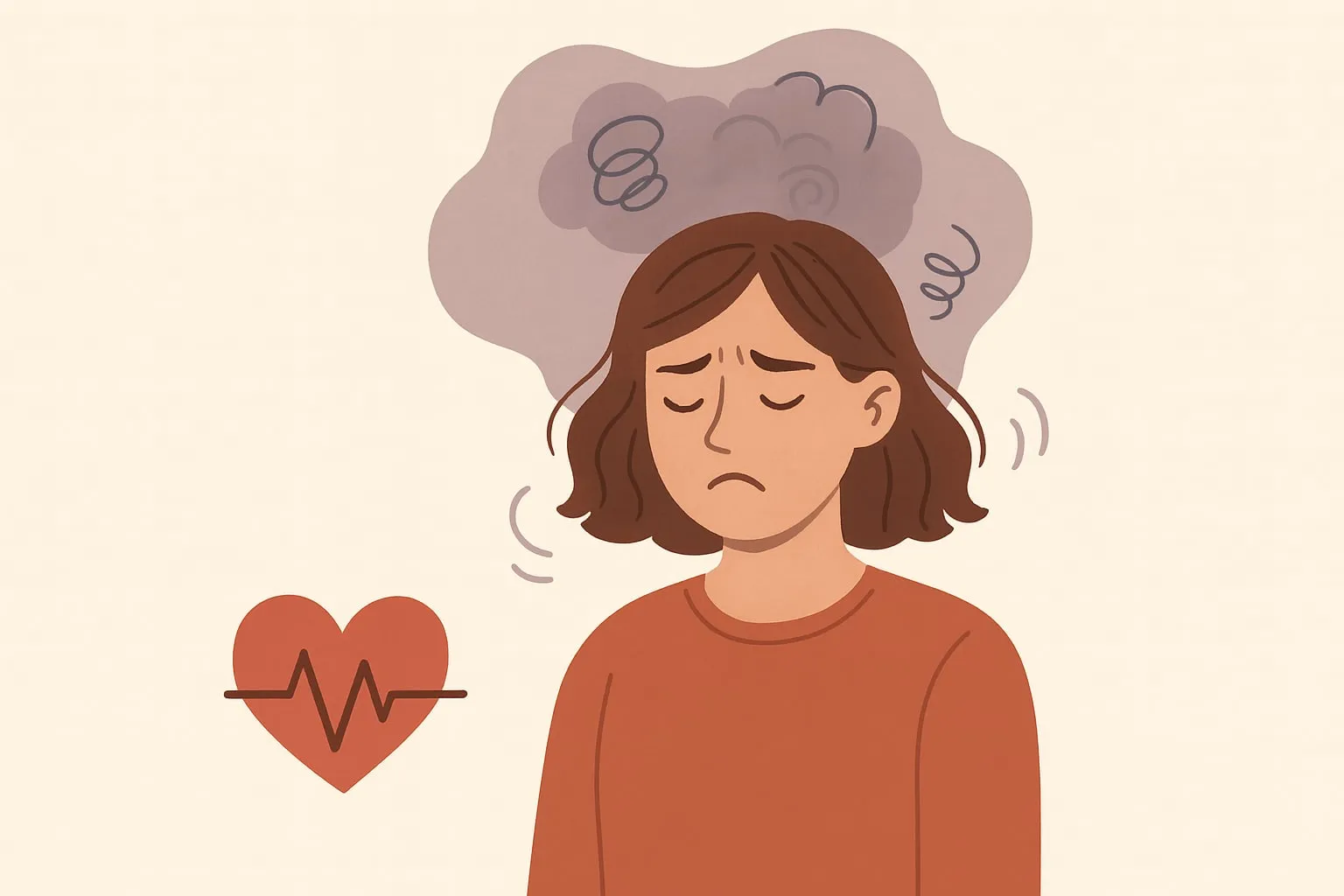
If you’ve been diagnosed with Postural Orthostatic Tachycardia Syndrome (POTS), you might notice symptoms that seem like anxiety, depression, or even ADHD. You’re not imagining things—and you’re not alone. Many people with POTS experience mental health symptoms like anxiety, brain fog, and mood changes—and there are real physiological reasons behind it. This article unpacks the overlap between POTS and mental health, why it happens, and how to get support that truly addresses the whole you.
What Is POTS?
POTS is a form of dysautonomia, or dysfunction of the autonomic nervous system—the system that controls automatic bodily functions like heart rate, blood pressure, and digestion. In POTS, the heart rate spikes abnormally (usually by 30+ beats per minute) when a person stands up, often without a corresponding drop in blood pressure.
Common symptoms include:
-
Dizziness or lightheadedness
-
Rapid or pounding heartbeat
-
Extreme fatigue
-
Nausea or digestive issues
-
Brain fog
-
Trembling or feeling faint
These symptoms can vary day to day, and many are invisible, which can make daily life difficult and validation hard to come by.
Mental Health Symptoms That Often Accompany POTS
Many individuals with POTS also report:
-
Anxiety or panic-like episodes
-
Trouble concentrating or memory issues (“brain fog”)
-
Feeling emotionally overwhelmed or low
-
Worry about symptoms in social situations
-
Frustration, isolation, or burnout
It’s common for people to be misdiagnosed with panic disorder, ADHD, or depression before receiving a POTS diagnosis. That’s not because these symptoms aren’t real—but because the body-based origins are often overlooked.
Why Does POTS Affect Mental Health?
1. Your Nervous System Is On Overdrive
POTS causes exaggerated “fight or flight” responses. Standing up, walking, or even digesting food can trigger surges in adrenaline—leading to physical sensations (heart racing, sweating, shakiness) that feel like anxiety, even if you’re not mentally anxious.
2. Reduced Blood Flow to the Brain
When your body struggles to regulate blood flow while upright, your brain may not get the oxygen it needs. This can lead to “brain fog,” difficulty focusing, and slowed thinking—symptoms sometimes mistaken for ADHD or depression.
3. The Emotional Toll of Chronic Illness
Living with unpredictable, often debilitating symptoms can take a serious emotional toll. Many people with POTS experience grief, frustration, isolation, and fear around their health and functioning.
4. Inflammation and Immune System Links
Some forms of POTS are associated with autoimmune or inflammatory conditions, which may contribute to mood changes, fatigue, or neuroinflammation.
5. Medication Side Effects
Medications used to treat POTS—such as beta-blockers, stimulants, or SSRIs—can sometimes affect mood or energy levels, for better or worse.
It’s Not Just in Your Head—and You’re Not Alone
Too often, people with POTS are told their symptoms are “just anxiety” or psychosomatic. In reality, many of these experiences have clear biological roots. That said, anxiety and depression can still develop as a result of living with a chronic, often misunderstood condition—and both deserve compassionate attention. Mental and physical health aren’t separate. They interact constantly.
What Can Help?
Here are some strategies and supports that can make a difference:
-
Work with a team: A knowledgeable care team—cardiologist, neurologist, and mental health provider—can help you manage both the physical and emotional sides of POTS.
-
Therapy for chronic illness: Approaches like CBT, ACT, or pacing-based strategies can help with anxiety, grief, and adjustment.
-
Self-compassion: You’re not lazy or weak. You’re navigating a condition that demands a lot from your body every day.
-
Peer support: Connecting with others who live with POTS can reduce isolation and provide practical coping tips.
-
Pace and plan: Learning to honor your energy limits and structure your day around symptom patterns is a strength—not a setback.
Final Thoughts
If you live with POTS and struggle with anxiety, brain fog, or emotional ups and downs, know this: you are not alone—and you are not broken. There are real, physical reasons behind what you’re feeling, and there is also room for healing, coping, and support. You deserve care that sees the full picture—not just your heart rate on a monitor, but your lived experience as a whole human.